

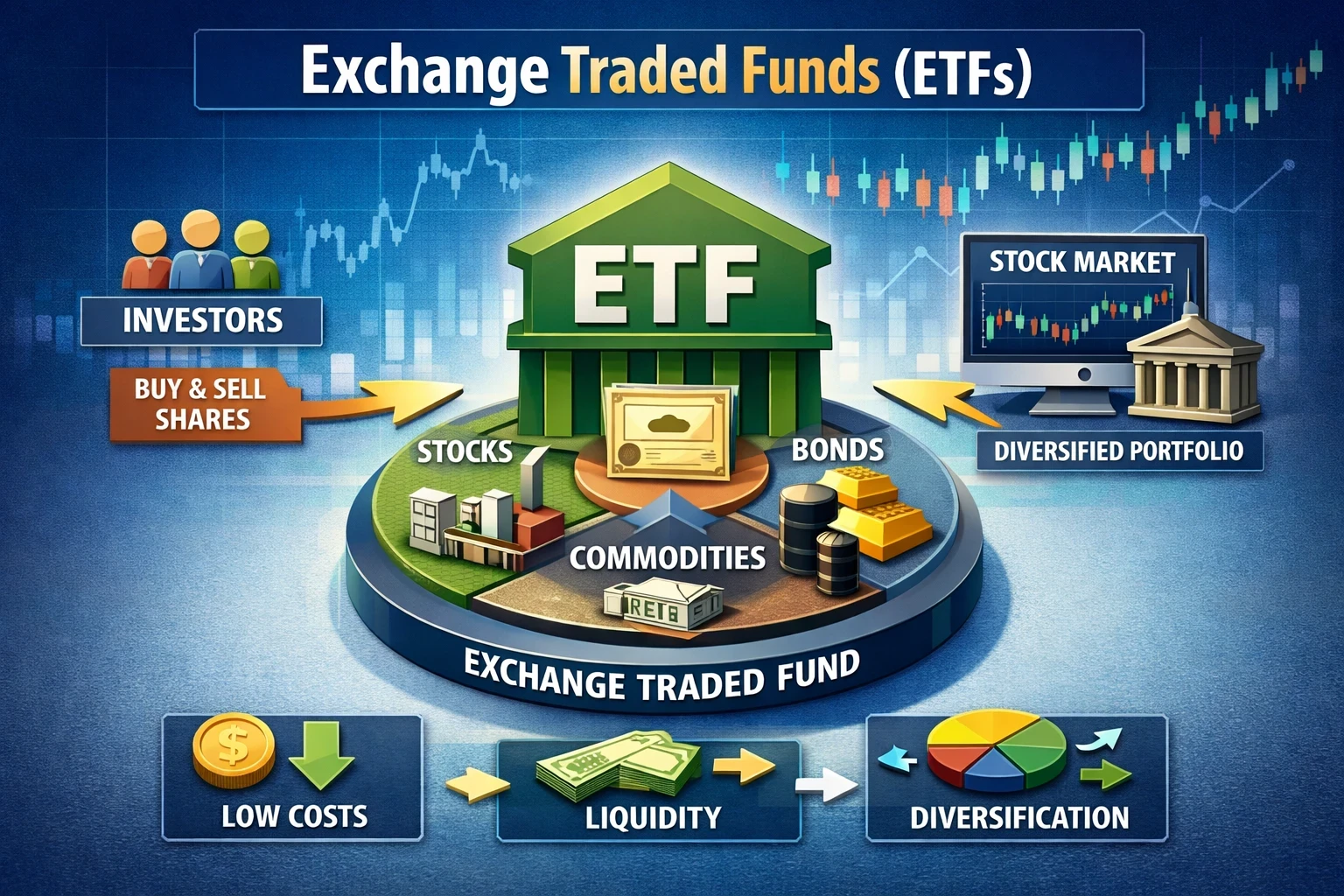
Exchange Traded Funds, often known just as ETFs, have carved a pretty solid niche in the investing world. They came onto the scene with the aim to make investing more accessible and less costly, mixing the benefits of stocks and Unit Trusts (mutual funds). ETFs are essentially a bundle of securities that track an index, commodity, or a mix of asset classes.
In the past decade, ETFs have exploded in popularity. Back in the day, investing seemed to be for the big players, those with the funds to manage portfolios or put into mutual funds. ETFs flipped this narrative. Offering a range of options that let both individual and big investors dive into the market without needing heaps of cash, they’ve seen their assets grow incredibly fast, way beyond what early skeptics expected.
People are gravitating towards ETFs for a couple of compelling reasons. For starters, they’re easy to trade on the stock exchange, just like your everyday stocks, but with the added benefit of diversification, which means spreading risk without too much hassle. Additionally, ETFs often come with lower expense ratios when stacked up against traditional mutual funds, making them attractive to cost conscious investors.
It’s important to get to grips with how ETFs differ from mutual funds. While both offer pooled investment strategies, mutual funds typically remain active, trying to outperform the market, and get priced once at the end of the trading day. ETFs, meanwhile, are passively managed, and they can be traded at any point during the trading day. This kind of flexibility is a game changer, especially in fast moving markets. Investors can react immediately to market developments, which is a huge plus in today’s dynamic financial landscape.
Advantages of ETFs in Modern Portfolios
ETFs have a lot to offer when it comes to putting together a smart investment portfolio. One of their biggest advantages is diversification. By owning shares in an ETF, investors automatically get exposure to a whole basket of assets, which helps spread risk without needing to purchase each individual component. This setup is ideal for those who want broad market exposure but don’t have the time or resources to dig into each security.
Cost-effectiveness is another key attraction. ETFs usually carry lower expense ratios than mutual funds, meaning investors can potentially spend less on fees over time. Add to this their ability to trade like stocks, and you’ve got a cost-efficient way to access a variety of investment options without breaking the bank.
Flexibility is a major selling point. You can buy and sell ETFs throughout the trading day at market prices, allowing you to manage your investments more actively if desired. They offer a range of strategies, whether you’re a day-trader or a long-term investor.
Tax efficiency should definitely be on every investor’s radar. Thanks to a unique structure and the “in-kind” creation/redemption process, ETFs often have fewer capital gains distributions compared to mutual funds. This can mean fewer surprises at tax time and potentially more income staying in your pocket.
ETFs bring real advantages to the table, making them a strong contender for anyone looking to streamline their investment strategy. By balancing flexibility, cost, and tax benefits, ETFs manage to fit the bill for many modern investors.
How ETFs Cater to Varied Investor Needs
ETFs shine in their ability to cater to a variety of investment styles and goals. For starters, they offer customization through a wide array of sectors, market caps, and geographical focuses. Whether you’re keen on technology stocks or emerging markets, there’s likely an ETF for it, allowing you to tailor your portfolio with ease.
Retirement planning benefits significantly from ETFs. Their potential for long-term growth, combined with a usually lower fee structure, makes them a practical choice for those looking to build a robust nest egg. They provide a manageable path toward securing financial futures without requiring constant intervention.
When it comes to managing risk, ETFs serve as valuable tools. Many investors utilize ETFs to hedge against market volatility, thanks to their flexible trading capabilities. There are even ETFs specifically designed for risk management, like those that focus on bonds or utilities. Having options for diversification and risk reduction helps investors stay calm during uncertain times.
For those drawn to niche investment themes, thematic ETFs bring a bit of flavor to the mix. Whether it’s renewable energy, artificial intelligence, or even social issues, thematic ETFs allow investors to align their investments with their personal beliefs or interest areas. This can make all the difference for those who want investments that not only perform but also resonate with their values.
The Future of ETFs in the Evolving Financial World
Technological advancements are a big driving force behind the innovation in the ETF space. Automation, AI, and data analytics are creating more sophisticated, specialized ETFs that can cater to investor needs with greater precision. Expect to see a continual rise in options that are geared toward tech-savvy investors who want the latest tools at their disposal.
Sustainability and socially responsible investing are becoming increasingly important, and ETFs are keeping pace with this trend. As investors grow more concerned with environmental and social governance (ESG) criteria, ETFs are expected to offer more choices that align with these values, empowering investors to support causes they care about while potentially seeing financial rewards.
With the growing presence and influence of ETFs, regulatory considerations are coming to the forefront. As industry players stay on top of changes that could affect the management and creation of ETFs, regulations will be key in ensuring investor protection and market integrity. Those looking to invest should stay informed about these developments to understand how they impact the overall landscape.
The road ahead for ETFs looks promising, filled with opportunities for growth and expansion. With a focus on innovation and adaptation, the ETF market is poised to meet the needs of a changing financial world, offering investors a dynamic array of investment solutions designed to tackle both today’s and tomorrow’s challenges.